I was inspired by a podcast called The 500 hosted by Los Angeles-based comedian Josh Adam Meyers. His goal, and mine, is to explore Rolling Stone Magazine's 2012 edition of The 500 Greatest Albums of All Time.
Album: #208
Album Title: Tea For The Tillerman
Artist: Cat Stevens
Genre: Folk Rock
Recorded: Three Studios, London, England
Released: November, 1970
My age at release: 5
How familiar was I with it before this week: Quite
My age at release: 5
How familiar was I with it before this week: Quite
Is it on the 2020 list? Yes, at #205, up 3 spots
Song I am putting on my Spotify Playlist: Where Do The Children Play?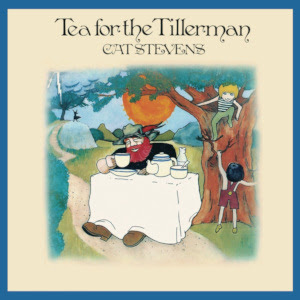
Song I am putting on my Spotify Playlist: Where Do The Children Play?
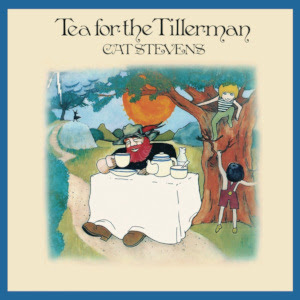
I am delighted to announce that, for the fourth year in a row, a student from the Grade 7 class with whom I work has volunteered to write a guest post. Each school year, typically around January, I share my 500 project with the class. I often use it to amplify the importance of coordinating with a peer editor to improve written work. I will show them my initial draft and then a version with the suggestions my father, a former professional writer, has shared.
This year, as June approached, I had no takers and I thought I would have to let it go. However, in mid-May, Umar approached me to look at the list. There were about nine choices available before the end of the school year and, after a short discussion, he selected Tea For The Tillerman from Cat Stevens. Umar was already developing into a strong middle school writer. As you will see, he makes even further strides with this piece. Upon reading it, my father sent me the following message...
"MARC. UMAR SHOWS EARLY PROMISE OF BECOMING AN EXEMPLARY WORDSMITH AND MUSIC AFICIONADO. HE OBVIOUSLY HAS A GOOD HEAD ON HIS SHOULDERS TO CONTEMPLATE AND ADVANCE IMPORTANT ISSUES. WELL DONE, YOUNG MAN. "
So, please enjoy this guest post from Umar.
Hey there, I’m Umar, a Grade 7 student. Today, I want to take you on a journey through the soothing melodies and thought-provoking lyrics of Cat Stevens' fourth studio album, Tea For The Tillerman.
 |
| Umar (September, 2023) |
As we embark on this adventure called life, we're constantly seeking meaning and understanding about the world around us. Stevens' music speaks to this universal quest for knowledge and enlightenment, with the goal of resonating with us on a deeper level.
Released in 1970, Tea For The Tillerman quickly became a beloved folk rock classic, enchanting listeners with its introspective themes and captivating melodies. Stevens, later known as Yusuf Islam, crafted this album during a transformative period in his life, and it explores themes of spirituality, identity, and human existence.
Released in 1970, Tea For The Tillerman quickly became a beloved folk rock classic, enchanting listeners with its introspective themes and captivating melodies. Stevens, later known as Yusuf Islam, crafted this album during a transformative period in his life, and it explores themes of spirituality, identity, and human existence.
 |
| Cat Stevens (1969). |
When I first heard the name Tea For The Tillerman, I had no idea what it meant. I thought maybe a “Tillerman” was an actor or musician, and the tea was to please him. After my research, I came across the meaning of “Tillerman” which (in this context) is a man who steers a small boat. The idea of the title is that there is no one to steer the boat if the “Tillerman” is drinking his tea. In my opinion, this is a metaphor. Like a boat on open water, the events in a person’s life can change when they stop steering their boat.
Stevens himself is an interesting man. One obvious example is his decision to change his name – twice. Born Steven Demetre Georgiou, he realized that his birth name made it difficult to get performance gigs, so he changed it to something easier to say and remember – Cat Stevens.
Then, in 1968, the pressure of touring and the challenges of living a celebrity life took its toll and Stevens fell sick with a potentially fatal diagnosis of tuberculosis. The illness put him in the hospital for months. It was then that Stevens began a journey of reflection and prayer. |
| An example of a wooden "till" at the back of a boat. |
 |
| Stevens writing music while recovering in hospital (1970). |
When Stevens recovered, he had a different perspective on the world and changed his music considerably. He wrote some 40 songs that reflected changes in his personal life. His music was calmer and meaningful, while his lyrics gained subtlety and a mysterious touch. In his private life he began to explore a variety of spiritual paths.
I believe Stevens decided to change his music so much during this painful period because he realized how fast life can be taken away and he realized, like we all should, that it can’t be taken for granted. I think he recognized that life is short and fulfilment at the end is important. You might say he viewed leaving that hospital as a rebirth, and a second chance for a mindful and fulfilling existence. Tracks such as Father And Son and On the Road To Find Out capture the essence of adolescence, with its mix of excitement, confusion, and longing for independence. These songs remind us that it's okay to question authority, to forge our own paths, and to embrace the journey of self-discovery, which is something that was important to Stevens.
 In 1977, Stevens received a Quran from his brother who had been on a trip to Jerusalem. After reading it, Stevens converted to Islam and changed his name to Yusuf – the Islamic equivalent of Joseph. because he related to the story of Joseph told in the Quran.
Stevens has definitely had an amazing and fascinating personal life but he has also had a fantastic musical career. When I first listened to this album I was amazed. My favourite song is Where Do the Children Play?
This remarkable song showcases Stevens' songwriting talent. Initially, it presents itself with soothing music—a gentle guitar, soft keyboard, and a hint of bass. It might deceive you into thinking it's just a peaceful tune with a happy message. However, as you pay closer attention to the lyrics, you'll find it's much more than that. Where Do the Children Play? is actually a protest song, raising important questions about the future of our children in a world consumed by technological progress. It suggests we should make sure kids have space to play and where nature will find its place in the middle of our rapid technology advances. Despite its serious message, the song remains beautiful, thanks to Stevens' heartfelt vocals and guitar playing.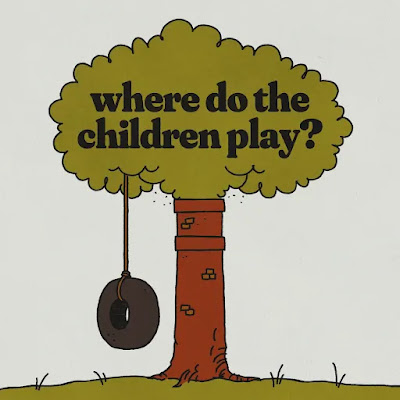 This song reminds me of daily life when I often see young people consumed by screens on their laptops, televisions, phones and even watches. This is now considered normal behaviour and I wonder if technology is stealing part of our childhood. But, anyone can be addicted to a screen, no matter what age. It is interesting that Stevens wrote it about the technology of the early 1970s, but it still applies today.
 As I mentioned previously, this song is a “protest song” which means the theme is Stevens’ commentary on the world and how things need to change. I would go further and say the entire record is a protest. According to my research, Stevens became vocal about many social issues. Later in his life, he appeared at actual protests. and He and his wife created multiple charities to support people, particularly children in war-torn countries.
In conclusion I was honestly surprised by this album. When I chose it from the list Mr. Hodgkinson showed me, I had no idea what it would be like. To be fair, I wasn't sure I would even enjoy it. However, that was definitely not my experience. I would absolutely recommend listening to album #208 on The 500 - Tea For The Tillerman by Cat Stevens…aka Steven Demetre Georgiou aka Yusuf Islam.
Thanks for reading.
-Umar
I believe Stevens decided to change his music so much during this painful period because he realized how fast life can be taken away and he realized, like we all should, that it can’t be taken for granted. I think he recognized that life is short and fulfilment at the end is important. You might say he viewed leaving that hospital as a rebirth, and a second chance for a mindful and fulfilling existence.


 |
| Cat Stevens/Yusuf Islam reading a book at a coffee shop in Dubai (2007). |
.jpg) |
| Where Do The Children Play? Single album cover. |


 |
| Small Kindness charity logo - founded by Yusuf to help the most vulnerable victims of war. |
Thanks for reading.
-Umar
